
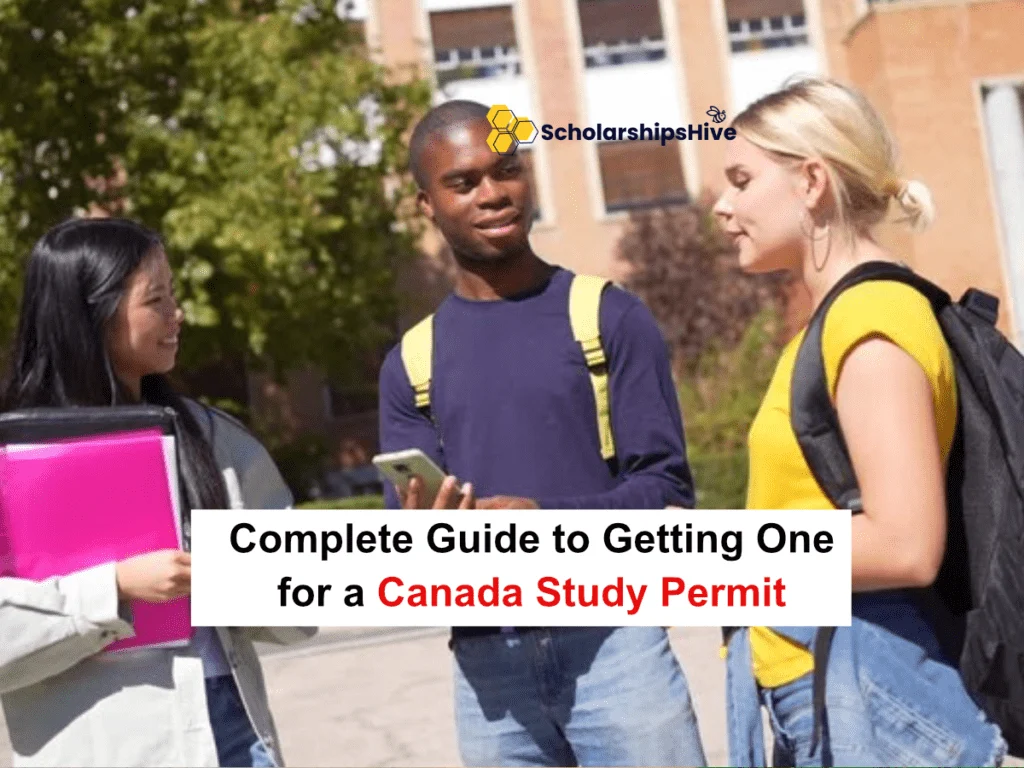
The Provincial Attestation Letter (PAL) 2026: Complete Guide to Getting One for a Canada Study Permit
Key facts
- Country
- Canada
- Degree level
- Masters, PhD, Undergraduate
For international students planning to study in Canada, the admission process has evolved significantly. The most impactful change in recent years is the introduction of the Provincial Attestation Letter (PAL). If you are applying for a study permit in 2026, understanding the PAL is no longer optional—it is the single most important procedural step to ensure your application is even accepted for processing by Immigration, Refugees and Citizenship Canada (IRCC).
This guide demystifies the PAL, explains how you can obtain one, and clarifies who needs it and who is exempt.
1. What Exactly is a Provincial Attestation Letter?
A Provincial Attestation Letter (PAL) is a mandatory document issued by a Canadian province or territory. It serves as official proof that you have been assigned one of the limited spots within that province’s specific allocation of the national study permit cap.
In simple terms, the Canadian government has placed a cap on the number of new international study permits issued to manage housing and infrastructure demands. The PAL is the mechanism that ensures an international student is “counted” within this cap before they even submit their study permit application. Without a valid PAL, your application will be returned as incomplete.
Check this: CMA NXT Joining Contest: How to Win $250 and Build Your Marketing Career in Canada
2. Who Needs a PAL?
As of 2026 , most new international students applying for a study permit must include a PAL. This includes students applying for:
- Undergraduate programs at public or private colleges.
- Undergraduate degree programs at universities.
- Certificate or diploma programs that require a study permit.
Who is Exempt from the PAL Requirement?
Not every student needs a PAL. You are exempt if you fall into any of the following categories:
- Graduate Students: As of January 1, 2026, students admitted to degree-granting Master’s and PhD programs at public Designated Learning Institutions (DLIs) are exempt from the PAL requirement.
- K–12 Students: Preschool, primary, and secondary school (up to Grade 12) students do not require a PAL.
- In-Canada Applicants: If you are already in Canada and applying for a study permit extension at the same DLI and level of study, you generally do not need a new PAL.
- Exchange Students: Students studying under a recognized exchange agreement who do not pay tuition fees to the Canadian DLI.
- Vulnerable Cohorts: Protected persons, refugees, and certain temporary resident permit holders.
- Quebec Applicants: If you are studying in Quebec, you do not need a PAL; instead, you must obtain a Certificat d’acceptation du Québec (CAQ), which serves the same function.
You may also like this: Canada Student Visa: Navigating the New Regular Study Permit Stream for Pakistan
3. How to Obtain Your PAL: Step-by-Step
You cannot apply for a PAL yourself. It is a process initiated by your chosen Designated Learning Institution (DLI) once you have been accepted.
- Secure an Offer of Admission: Apply to a DLI and receive your official Letter of Acceptance (LOA).
- Accept the Offer & Pay Deposit: Most institutions require you to formally accept your offer and pay a non-refundable tuition deposit before they will request a PAL on your behalf.
- The DLI Requests the PAL: Once your deposit is confirmed, the DLI’s International Admissions office will submit your details (full name, date of birth, address, and program information) to the provincial ministry via an online portal.
- Receive the Letter: Once the provincial government approves the request, the PAL is sent to your DLI, which will then forward it to you (usually via an applicant portal or email).
- Submit with Study Permit Application: Once you have the PDF document, upload it along with your LOA and other required documents to your IRCC portal.
4. Common Challenges and Best Practices
The PAL system is highly dependent on provincial quotas. Here are some strategies to navigate potential delays:
- Apply Early: Provincial allocations are limited. Some provinces exhaust their PAL quotas mid-year. If you are targeting a September intake, you should ideally have your admission and PAL request processed months in advance.
- Check DLI Status: Always confirm that your school is a Designated Learning Institution. If you apply to a non-DLI school, your study permit will be refused regardless of whether you have a PAL.
- Verify Your PAL: A valid PAL must contain your full legal name, date of birth, and your institution’s DLI number. Ensure all details match your passport exactly.
- Watch for Expiry Dates: A PAL is typically linked to the specific year and intake for which it was issued. Using an expired PAL will result in an automatic rejection of your study permit application.
Check this out: Beyond IELTS: Your Gateway to Studying in Canada with the Duolingo English Test
5. What if the Province Has No Quota Left?
If your chosen school informs you that their provincial allocation is exhausted for the current year, your options are:
- Defer Your Intake: Request to defer your admission to a later intake (e.g., January 2027) when a new quota becomes available.
- Explore Other Provinces: If your chosen program is available at a DLI in a different province that still has available PAL allocations, you might consider applying there.
Official Resources
For the most accurate and up-to-date information, always refer to the official Canadian immigration portal:
- Study Permit Documents Checklist: The government’s official guide on what you need to submit.
- EduCanada Scholarship Search: Use this to find funding for your studies once your permit is secured.
- ScholarshipsCanada: A comprehensive, verified database of thousands of bursaries and grants.
Join our WhatsApp Channel for the latest updates on international scholarships and deadlines.
Frequently Asked Questions
Is the PAL a guarantee that my study permit will be approved?
No. The PAL only confirms that you have a “spot” within the provincial cap. You must still meet all other study permit requirements, including proof of financial sufficiency (CAD $20,635), proof of identity, and a clear, logical study plan in your Statement of Purpose.
Can I get a PAL if I am applying for a Master’s degree?
No, because you don’t need one. As of January 1, 2026, Master’s and PhD students at public DLIs are exempt. If you apply for a PAL unnecessarily, you may just create extra administrative delays. Instead, include a Letter of Explanation (LOE) stating you are exempt under the graduate program policy.
What happens if I submit an application without a PAL when one is required?
Your application will be returned to you immediately as incomplete. IRCC will not review your finances, your SOP, or your background if the mandatory PAL is missing. You will effectively lose your application fee and valuable time. Always check the DLI list and PAL requirements before submitting.
Final Thoughts and Advice From ScholarshipsHive
The Provincial Attestation Letter has fundamentally changed the Canadian study permit landscape by putting control in the hands of the provinces to ensure manageable growth. While the extra step might seem daunting, it is a straightforward process if you work closely with your DLI’s admissions team. Secure your admission early, pay your deposit promptly, and ensure your passport information is perfectly accurate to avoid any hiccups. By staying proactive and organized, you can secure your PAL and move forward with your dream of studying in Canada with confidence.
Explore similar scholarships
Never miss a deadline
Get new fully funded scholarships every day. Follow Scholarships Hive on your favourite app.
Similar scholarships
 How to Email Professors for Research Supervision (Ph.D. & Master’s Cold Email Templates)
 Banting Postdoctoral Fellowships: Securing a Canadian Host Institution
 McCall MacBain Scholarship at McGill University 2026, Canada: Fully Funded
 Vanier Canada Graduate Scholarships 2026: Fully Funded PhD in Canada
 Fully Funded Banting Postdoctoral Fellowships Canada 2026
 Sanctuary Scholarships: University-Specific Funding for Displaced Students 2026