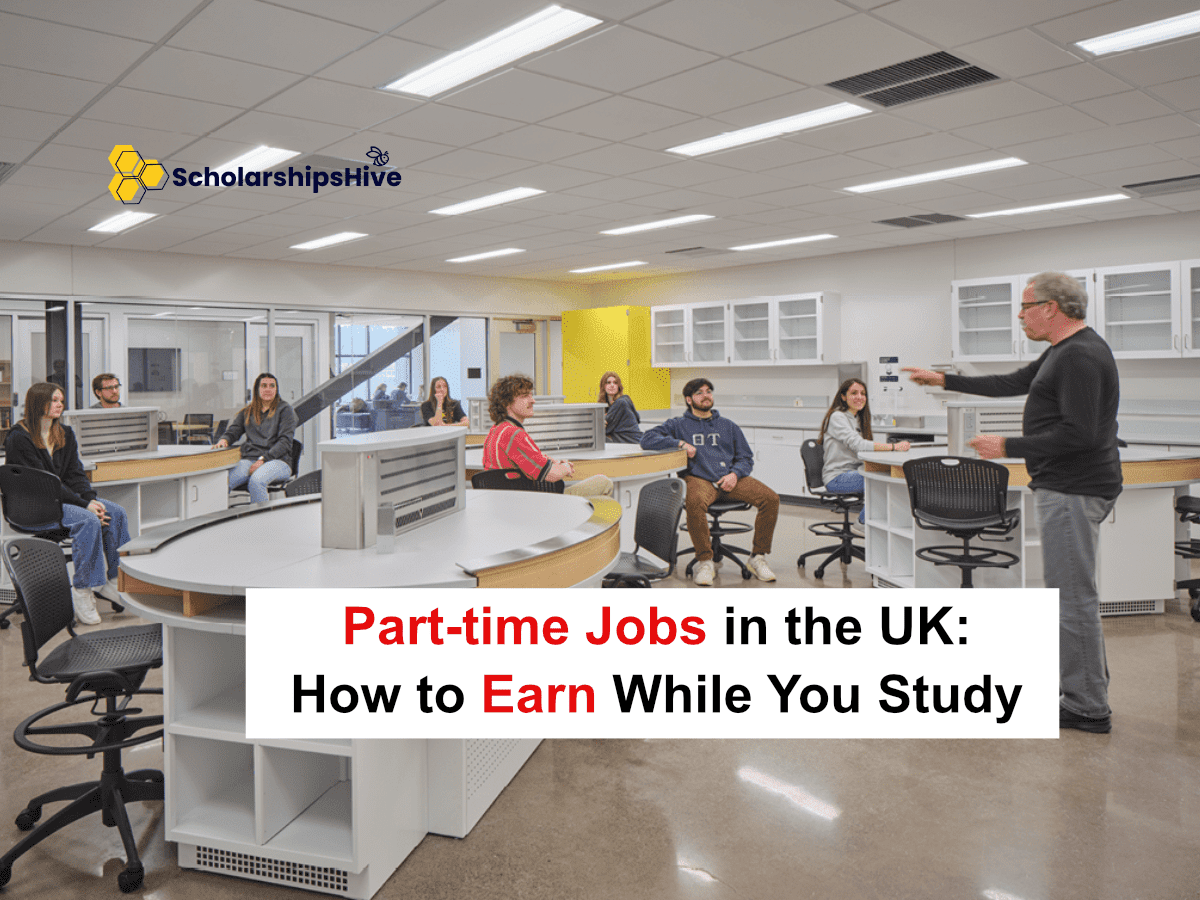
Arriving in the United Kingdom as an international scholar is a thrilling milestone. While managing your academic workload, securing a Fully Funded award, or budgeting your monthly Stipend takes up a lot of planning, finding a part-time student job is a highly popular way to supplement your finances.
Working a part-time job helps cover your daily groceries, local transport, and weekend travel, while giving your resume valuable British workplace experience. However, the UK Visas and Immigration (UKVI) department enforces strict employment boundaries for international arrivals. To protect your student visa status during the 2026 and 2027 academic cycles, you must understand your exact legal working limits, hourly minimum wage rights, and tax thresholds.
The Legal Blueprint: What Your Student Visa Allows
Your right to work in the UK is tied directly to the academic level of your program. Violating these rules is a serious immigration offense that can result in visa cancellation or deportation.
| Legal Operational Variables | Degree-Level Students (Undergraduate / Master’s / PhD) | Below Degree-Level Students (Foundation / Pre-sessional) |
| Term-Time Weekly Cap | Maximum 20 hours per week (Strictly enforced). | Maximum 10 hours per week (Strictly enforced). |
| Official Holiday Limits | Full-time work permitted (up to 40 hours+ per week). | Full-time work permitted (up to 40 hours+ per week). |
| The “Weekly” Definition | Calculated strictly from Monday to Sunday. | Calculated strictly from Monday to Sunday. |
| Averaging Working Hours | Prohibited; working 22 hours one week and 10 hours the next is a visa breach. | Prohibited; cannot average hours across a calendar month. |
Check this: UK Student Visa (CAS) Process: A Simple 10-Step Guide
Critical Prohibitions: Banned Student Roles
Many international students fall into structural legal traps because they misunderstand the UK definitions of “employment.” Under a standard Student Visa, you are strictly prohibited from the following activities:
The Absolute Freelance & Self-Employment Ban
You cannot operate as a freelancer, register as a sole trader, invoice clients directly, or run an independent online business while physically living in the UK.
The Gig Economy Trap
You cannot work as an independent contractor for popular app-based delivery or ride services like Deliveroo, Uber, or UberEats. These platforms operate under self-employment contracts. You may only work for delivery or driving companies if they hire you under a formal PAYE (Pay As You Earn) Employee Contract where taxes are automatically deducted at the source.
Permanent Full-Time Roles
You cannot fill a permanent, full-time vacancy. Any full-time work you complete during university holidays must be on a temporary or fixed-term contract.
You may also like this: Duolingo Accepted Universities in UK: Complete Guide for International Students
UK Minimum Wage & Tax Architecture
The UK protects student workers through national statutory pay rates. Employers are legally required to pay you according to your age group.
The National Minimum Wage Scale
| Worker Age Profile | Minimum Legal Hourly Wage Rate |
| Age 21 and Over (National Living Wage) | £12.71 per hour |
| Age 18 to 20 | £10.85 per hour |
| Under Age 18 | £8.00 per hour |
The Tax-Free Earning Threshold: International students enjoy the exact same tax rights as British citizens. For the current tax year, your Personal Allowance is £12,570. This means you can earn up to £12,570 annually before a single penny of Income Tax is deducted from your paycheck. However, if your weekly earnings cross roughly £242, mandatory Class 1 National Insurance (NI) social security contributions will be deducted by your employer.
The Strategic Part-Time Job Procurement Sequence
To find a flexible, high-paying student role that fits smoothly around your lecture timetable, organize your employment search using this sequence:
1.Secure Your National Insurance (NI) Number:
This unique government number is completely free to obtain and is legally required by UK employers to register you on their payroll systems.
2.Construct a Clean, Compliant UK-Style CV:
British anti-discrimination laws mean hiring managers prefer resumes without personal photos or demographic details, focusing purely on your skills and availability.
3.Explore On-Campus and Student Union Vacancies First:
On-campus roles are highly prized because university managers automatically design your shifts around your exam schedules and term blocks.
4.Verify Your Digital Share Code and Sign the PAYE Contract:
Provide your employer with your official academic term calendar so they can safely verify that your part-time hours remain within your legal visa caps.
Check this out: Low Tuition Fee Universities in the UK: Budget-Friendly British Degrees
Official Government and Student Employment Links
Official GOV.UK National Insurance Application Portal — The primary statutory portal used to apply for your mandatory National Insurance number after arriving in the UK.
Official UKCISA Student Working Rights Directory — The central international student advisory network explaining legal boundaries, holiday definitions, and compliance updates.
Join our official WhatsApp Channel to get instant alerts on upcoming UK research deadlines and step-by-step proposal tips.
Frequently Asked Questions
Does unpaid volunteering count toward my weekly 20-hour visa limit?
Yes, it can. The Home Office draws a strict distinction between “voluntary work” and “volunteering.” If you are completing “voluntary work”—meaning you have a regular schedule, contractual obligations, or are replacing a paid worker (even if you aren’t paid)—those hours do count toward your weekly 20-hour cap. Pure volunteering for a registered charity with no set hours usually does not count, but always verify the exact role with your university visa compliance team first.
Can I work full-time during my university’s “Reading Week” or “Dissertation Period”?
No, you cannot. UKVI views Reading Weeks, exam preparation weeks, and summer dissertation blocks for Master’s students as term-time. Even though you may not have physical lectures to attend, you are still expected to be studying full-time. Therefore, you are strictly limited to your 10 or 20-hour weekly cap during these periods. Full-time work is only allowed during official university-wide vacation periods (like Christmas and Easter breaks) or after your official course completion date.
What is an eVisa share code and why does my UK employer need it?
The UK has transitioned to a fully digital immigration system. Instead of physical stickers or Biometric Residence Permits (BRPs), your immigration status is held online. Before your first day of work, your employer must perform a mandatory “Right to Work” check. You must log into the GOV.UK portal, generate a temporary, secure “Share Code,” and give it to your employer so they can digitally verify your legal working hours.
Final Thoughts & Advice by Scholarships Hive
Earning extra income while studying in the United Kingdom is a fantastic way to support your student lifestyle and integrate into British culture. The golden rule to balancing work and study is transparency: always keep your university calendar updated, stay strictly within your Monday-to-Sunday hourly caps, and prioritize your degree above all else. Remember that a part-time job is meant to cover your everyday pocket money and groceries—it will never be enough to fund your core tuition fees. Take your time adjusting to your initial lecture blocks, set up your National Insurance number early, and we wish you the absolute highest success as you step into the vibrant UK student employment market!